
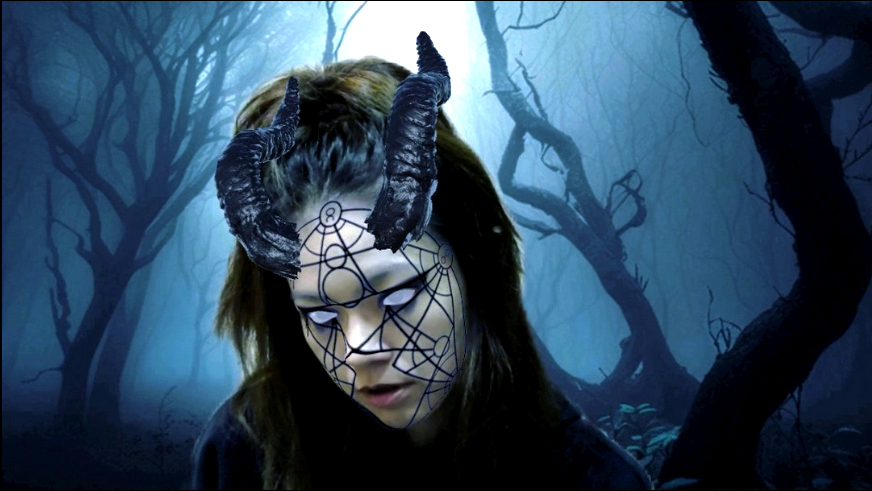
One of the biggest differences between in-person and online Dungeons and Dragons is visual identity. At a physical table, players naturally adopt posture, expressions, props, and even clothing that help them slip into character. Online, that layer often disappears.
What remains is a voice on a call.
This loss of visual identity has a direct impact on roleplay, especially in remote games.
Visual Identity Anchors the Player in the Character
Roleplay becomes easier when players can see who they are supposed to be.
Visual identity:
Reinforces character personality
Helps players stay in character longer
Reduces the mental gap between player and role
When that identity is missing, players are more likely to drift back into casual conversation instead of roleplay.
Online Play Increases Self-Consciousness
Many players struggle to roleplay online because they feel exposed.
Speaking in character on a webcam can feel awkward when:
Everyone appears as themselves
Facial expressions do not match the fantasy
There is no visual separation between player and character
This self-consciousness often leads to shorter responses, less initiative, and more hesitation.
Visual Separation Reduces Performance Pressure
When players visually embody their characters, the pressure shifts.
They are no longer speaking as themselves. They are speaking as someone else.
This separation:
Makes dialogue feel less personal
Encourages experimentation
Helps shy or new players speak more freely
Roleplay becomes safer when it feels less like self-expression and more like character expression.
Presence Improves Group Dynamics
Roleplay is not just individual. It is social.
Visual identity helps players:
Read reactions more clearly
Stay engaged when others are speaking
Respond emotionally instead of mechanically
When everyone appears as part of the same fictional space, conversations feel more natural and less fragmented.
Why Online Games Lose Roleplay Momentum
Many online games slowly shift away from roleplay over time.
This usually happens because:
Players break character more often
Scenes feel abstract rather than lived-in
Conversations lack emotional grounding
Without visual reinforcement, maintaining immersion requires more effort from everyone at the table.
Restoring Visual Identity in Online D&D
Visual identity does not need to be elaborate, but it does need to exist.
Faes AR helps address this gap by allowing players to visually embody their characters in real time using fantasy masks and character elements. This aligns what players see with the story they are telling, making roleplay feel more grounded and natural in online sessions.
You can explore Faes AR here:https://www.faes.ar/
And access the full product here:https://gumroad.com/products/qyoqv
Visual Identity Supports All Play Styles
Visual embodiment does not force roleplay. It supports it.
Players who enjoy:
Light roleplay
Tactical play
Narrative focus
all benefit from clearer character presence. It reinforces identity without requiring performance.
What Visual Identity Really Changes
Visual identity does not make someone a better actor. It makes roleplay easier to sustain.
When players can see themselves as characters rather than as people on webcams, immersion strengthens, hesitation decreases, and engagement lasts longer.
In online D&D, visual identity is not cosmetic. It is structural.